
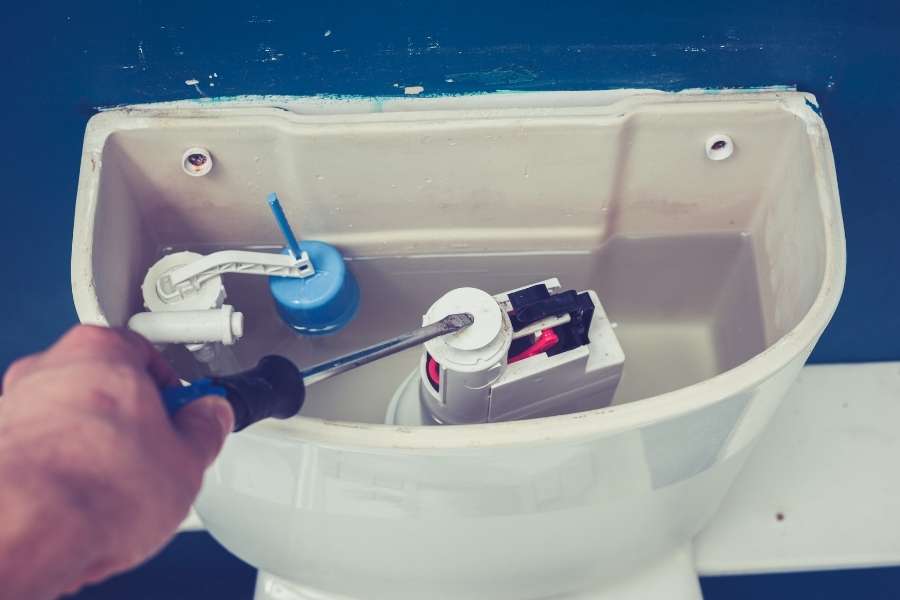
That quiet phantom hiss from your bathroom is stealing your money. A phantom flush is not just a mild annoyance. It wastes hundreds of gallons of water every day. You can fix a running toilet yourself in just thirty minutes. No expensive plumber is required.
Water conservation groups report internal leaks waste up to two hundred gallons daily. That equals twenty full dishwasher cycles. Luckily, simple tools can stop this waste today. Understanding your toilet tank mechanics is easy and quick.
Why Won’t My Toilet Stop Running Continuously?
Pressing the lever lifts a rubber plug to empty water into your bowl. The plug drops down, and a valve refills the reservoir. If any part fails, you ask why won’t my toilet stop running continuously. Water flows nonstop, raising your water bill. Learning basic plumbing maintenance tips to prevent problems can help you spot these issues early before they cause severe damage.
Four usual suspects cause continuous running inside your reservoir. It might be a bad rubber seal or a misplaced float. A bad fill valve or a twisted chain also causes leaks. Spotting the offender takes just a few minutes of inspection.
The Degraded Rubber Seal
The main defense against leaks is your rubber flapper valve. Water chemicals make this flexible rubber warp and crack over time. A bad seal lets water seep down into the bowl below. Your system cycles constantly to refill the missing water.
An Unadjusted Buoyancy Device
The float ball or float cup monitors total water depth. If set too high, water pours directly into the open tube. This tube prevents overflows, but high settings waste water indefinitely. Adjusting this part takes seconds and saves your hard-earned money.
A Malfunctioning Fill Mechanism
A broken fill valve loses its ability to stop incoming water. Mineral buildup or worn diaphragms jam this tall valve open. Water keeps flowing no matter where your float is positioned. This causes continuous water wastage until you replace the entire assembly.
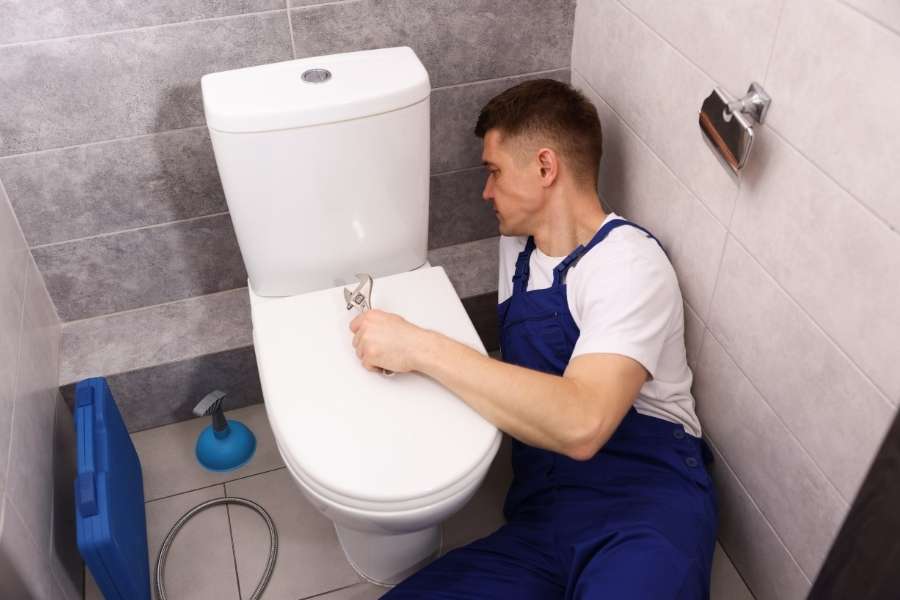
Step-by-Step Guide to Fix a Leaking Toilet
You do not need an advanced plumbing degree to fix leaks. A screwdriver, pliers, and a towel are all you need. Following a clear step-by-step guide to fix a leaking toilet saves time. Checking out a handy beginner’s guide to home plumbing will give you extra confidence to handle everyday household fixes safely. You will solve the exact issue without buying unnecessary parts.
Remove the porcelain lid carefully and place it on a towel. Check if water flows over the central open pipe top. If water is low but it still hisses, check the seal. This simple check shows you which part requires immediate attention.
How to Adjust Water Level in Toilet Tank Properly
If water pours into the central pipe, learn how to adjust water level in toilet tank correctly. The water height belongs one inch below the open overflow tube. On metal arms, turn the top screw or gently bend the arm down.
On modern sliding cups, locate the long plastic threaded rod. Turn this screw counterclockwise to lower the float setting. Flush once to test where the new water line stops. Setting it below the open pipe stops continuous leaks immediately.
Performing the Essential Chain Adjustment
The small link connecting your handle to the bottom seal matters. If pulled too tight, the rubber seal cannot close fully. Too much slack lets the link catch underneath the open seal. A simple chain adjustment leaves half an inch of slack for tight seals.
Testing for Hidden Water Loss
Some internal leaks are silent and hard to spot at first. Run a quick leak detection test using dark food coloring drops. Put eight drops inside the reservoir and wait twenty minutes quietly. If color appears in the bowl below, replace your bottom seal.
Best Way to Replace a Faulty Flapper Valve
When testing proves your bottom rubber seal is bad, replace it. New rubber seals are cheap and take ten minutes to install. Knowing the best way to replace a faulty flapper valve prevents repeated store trips. Turn off the wall valve and flush to empty the reservoir.
Unclip the old rubber seal from the side pegs easily. Take the old part to the store to match its size. Most homes use standard two-inch or three-inch bottom openings. Snap the new seal on, reconnect the link, and turn water on.
If a new seal fails, swap out the main intake unit. Shut off the water, drain the reservoir, and unscrew the line. Remove the bottom plastic nut and lift the old valve out. Install the new valve tightly to make your system work like new.
Regular checks stop quiet leaks and lower your monthly water bill. Plumbing repairs are simple when you know how parts work together. A quick inspection stops phantom flushes and saves you money today.
Frequently Asked Questions
Why does my toilet keep running every few minutes on its own?
This is a phantom flush. Water leaks silently past your rubber seal into the bowl. The water level drops, and the intake valve turns on again. Replacing the rubber seal or adjusting the link fixes this issue quickly.
Do I need to turn off the main water supply before working on the tank?
No, you do not need to shut off the main house valve. Turn the small handle on the wall behind your fixture clockwise. This cuts off water to that specific fixture so you can work safely.
How do I know what size replacement flapper to buy at the store?
Most home fixtures use two-inch or three-inch bottom openings. Measure your pipe opening or bring your old part to the store. Pick a chlorine-resistant rubber seal for longer life against harsh tap water chemicals.