
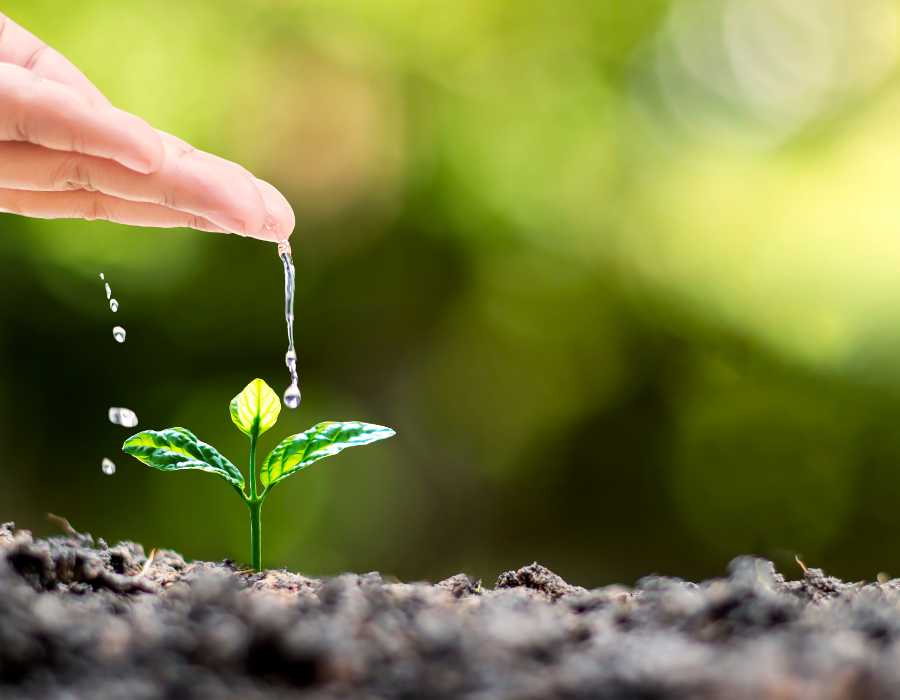
Improving soil quality is crucial for healthy plant growth. Good soil provides essential nutrients, water, and support for plants. Here, we’ll explore methods to enhance soil health, making your garden more productive.
Understanding Soil Composition
Soil composition is the mix of organic matter, minerals, and microorganisms. Healthy soil has balanced proportions of sand, silt, and clay, forming loam. Loam retains moisture and nutrients well, providing optimal conditions for plants.
Organic matter, like compost and manure, improves soil structure. It increases water retention and nutrient availability. Microorganisms break down organic matter, releasing nutrients plants need.
Testing soil composition helps you understand its characteristics. Soil test kits or professional lab tests identify pH levels, nutrient content, and texture. Adjusting soil composition based on test results ensures better plant growth.
Enhancing Soil Quality Fertility
Soil fertility refers to its ability to provide essential nutrients. Fertile soil contains nitrogen, phosphorus, potassium, and other micronutrients. Organic and inorganic fertilizers enhance soil fertility.
Organic fertilizers, like compost, manure, and bone meal, improve soil structure and nutrient content. They release nutrients slowly, promoting long-term soil health. Inorganic fertilizers, like synthetic blends, provide immediate nutrient boosts.
Regularly adding organic matter maintains soil fertility. Cover crops, like clover and alfalfa, enrich soil with nitrogen. Mulching with organic materials conserves moisture and adds nutrients as it decomposes.
Improving Soil Drainage
Soil drainage affects water availability for plants. Poor drainage leads to waterlogged soil, suffocating roots and causing rot. Improving soil drainage ensures roots receive adequate oxygen and water.
Adding organic matter enhances soil structure, improving drainage. Aerating soil by tilling or using garden forks prevents compaction, allowing water to penetrate. Raised beds improve drainage in heavy clay soils.
Installing drainage systems, like French drains or gravel-filled trenches, diverts excess water. Permeable pathways and surfaces reduce runoff, allowing water to infiltrate the soil. Choosing plants suited to your soil type minimizes drainage issues.
Adjusting Soil pH
Soil pH measures acidity or alkalinity, affecting nutrient availability. Most plants prefer slightly acidic to neutral soil (pH 6.0-7.0). Extreme pH levels hinder nutrient absorption, stunting plant growth.
Testing soil pH helps you adjust it accordingly. Adding lime raises pH, making soil less acidic. Sulfur or organic materials, like pine needles and compost, lower pH, increasing acidity.
Regularly monitoring and adjusting soil pH ensures optimal nutrient uptake. Amending soil gradually prevents drastic pH changes, maintaining a stable growing environment. Choosing pH-tolerant plants simplifies soil management.
Incorporating Organic Matter in Soil Quality
Organic matter improves soil health by enhancing structure, fertility, and moisture retention. Compost, leaf mold, and well-rotted manure are excellent sources of organic matter.
Adding organic matter increases microbial activity, enriching soil with nutrients. Regular applications improve soil texture, making it easier for roots to penetrate. Organic matter also helps retain moisture, reducing the need for frequent watering.
Mulching with organic materials conserves moisture and suppresses weeds. As mulch decomposes, it adds nutrients to the soil. Incorporating organic matter into the soil regularly maintains its health and productivity.
Utilizing Cover Crops
Cover crops improve soil health by preventing erosion, adding organic matter, and fixing nitrogen. Legumes, like clover and vetch, enrich soil with nitrogen, reducing the need for synthetic fertilizers.
Cover crops protect soil from erosion by wind and water. Their roots stabilize soil structure, preventing nutrient loss. When tilled into the soil, cover crops add organic matter, enhancing fertility and moisture retention.
Choosing appropriate cover crops for your region and soil type maximizes benefits. Rotating cover crops with your main crops ensures continuous soil improvement. Cover crops also attract beneficial insects, promoting a healthy garden ecosystem.
Maintaining Soil Health
Soil health requires ongoing maintenance for sustained plant growth. Regularly testing soil composition, pH, and fertility helps you make informed adjustments. Adding organic matter, adjusting pH, and improving drainage are continuous processes.
Practicing crop rotation prevents soil depletion and pest buildup. Avoiding over-tilling preserves soil structure and microbial activity. Mulching, cover cropping, and composting enhance soil health over time.
Educating yourself on soil management practices ensures long-term garden productivity. Healthy soil supports robust plant growth, leading to bountiful harvests and thriving landscapes.
